
Pests Are Part of Collecting Hoyas — Here’s How We Deal With Them
If you collect hoyas, you probably know that pests are one of those things we’d all rather not think about.
I’ve bought hoyas from many different collectors and growers over the years, and I always try to give the seller the benefit of the doubt. Finding pests on a newly purchased plant doesn’t automatically mean that the seller knew about them or was careless.
The reality is that pests can happen to anyone.
If hoyas are grown outside, near an open window, or even close to a kitchen, there are plenty of opportunities for pests to find their way onto plants. Some pests are tiny, some hide incredibly well, and some can be present in very small numbers without being noticed during a routine inspection.
Recently, I received a hoya with mealybugs. The seller almost certainly didn’t send it to me intentionally, but it reminded me exactly why I have such a strict routine when new plants arrive.
Because when you have a larger collection, introducing just one pest can potentially turn into a much bigger problem.
So instead of assuming that every new hoya is pest-free, I treat every new arrival as a potential risk.
1. The substrate is one of the biggest risks
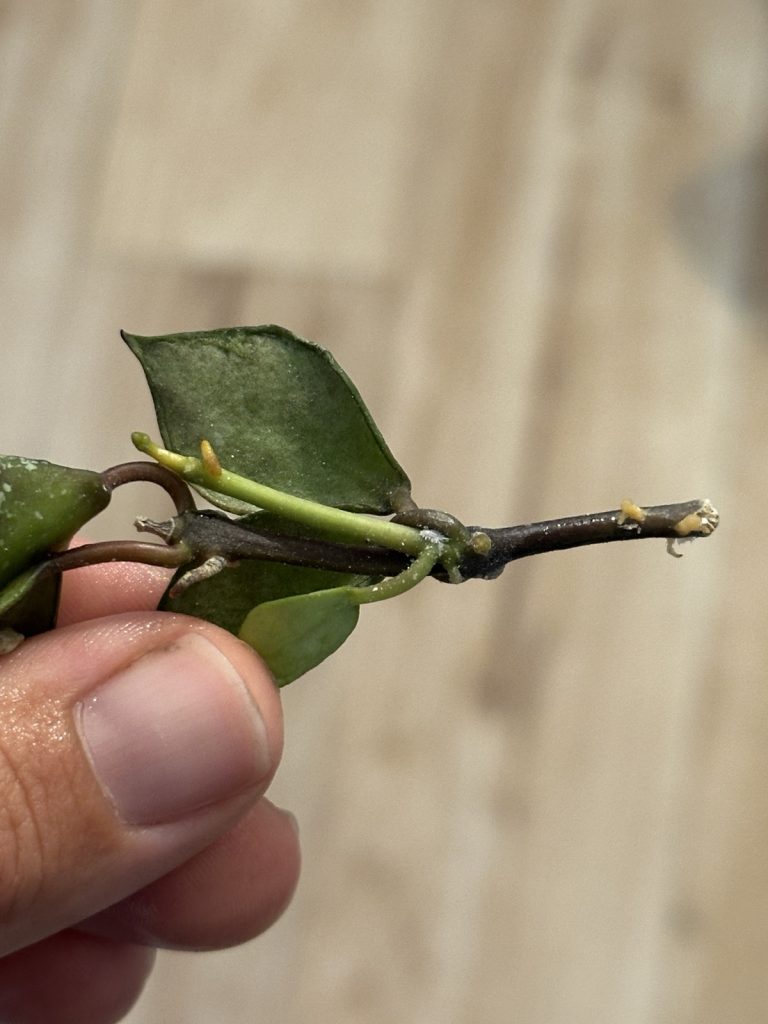
When possible, I prefer buying cuttings rather than rooted plants.
The reason is simple: root mealybugs.
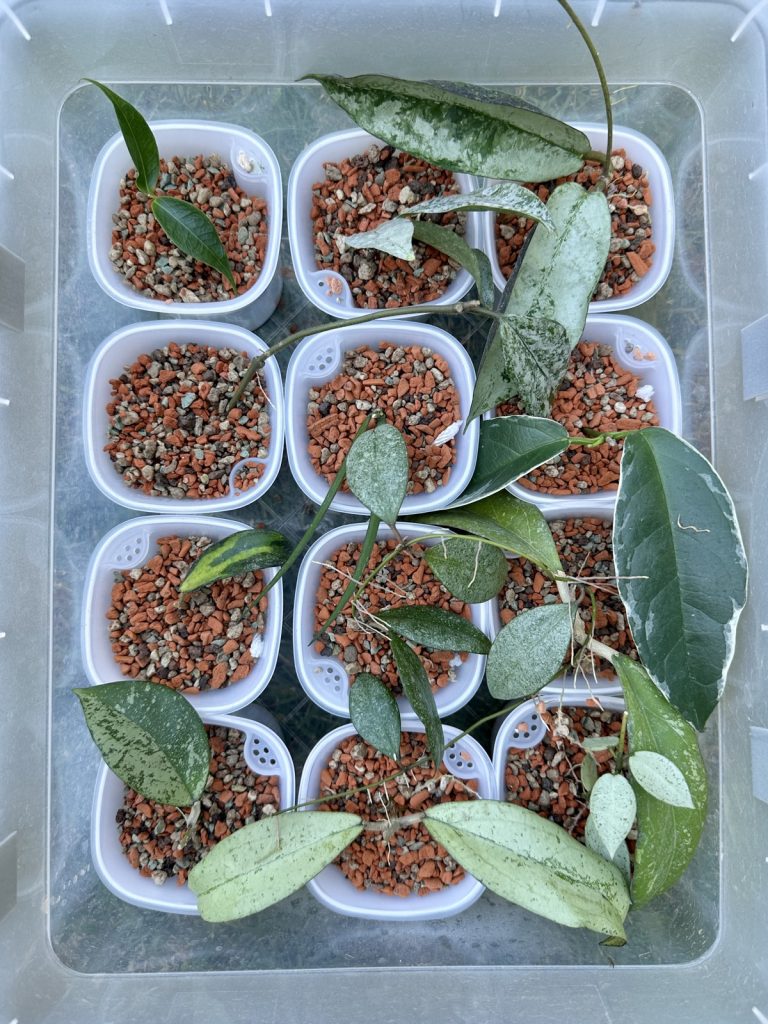
They can hide in the substrate and around the roots where they are extremely difficult to spot. Even if the roots look perfectly healthy and I don’t see anything suspicious, I usually prefer to remove the existing substrate and reroot the hoya myself.
Does this slow the plant down?
Absolutely.
But when you have plants coming from many different sources, I’d rather lose a little bit of growing time than risk introducing something that could spread throughout the collection.
2. I clean every new arrival
Before a new hoya gets anywhere near the rest of my plants, I clean it thoroughly.
I wash the leaves and stems and clean cuttings with soap and alcohol where appropriate. The goal is to physically remove anything that might be hiding on the plant.
It’s not a guarantee that everything is gone, of course, but it’s another layer of protection.
3. The microscope is one of my best friends
A microscope is especially useful when collecting hoyas because some of the nastiest pests are almost impossible to spot with the naked eye.
Broad mites and flat mites are a good example.
They can be incredibly difficult to detect until the plant starts showing symptoms, by which point the problem may already be established. Being able to inspect suspicious plants under magnification gives me a much better chance of catching a problem early.
If I find something that needs treatment, I deal with it before the plant joins the collection.
4. Quarantine. Always.
This is probably the most important part of my routine.
New plants stay separated from my existing collection for at least two weeks, and sometimes longer if something doesn’t look quite right.
And you don’t necessarily need a dedicated quarantine room.
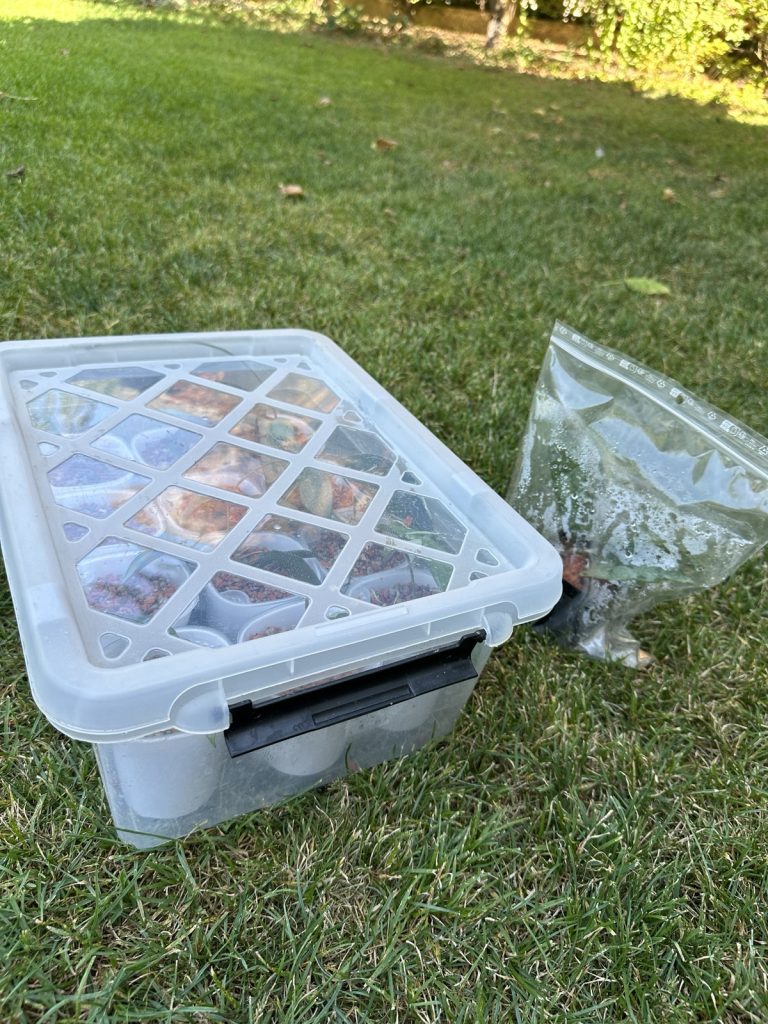
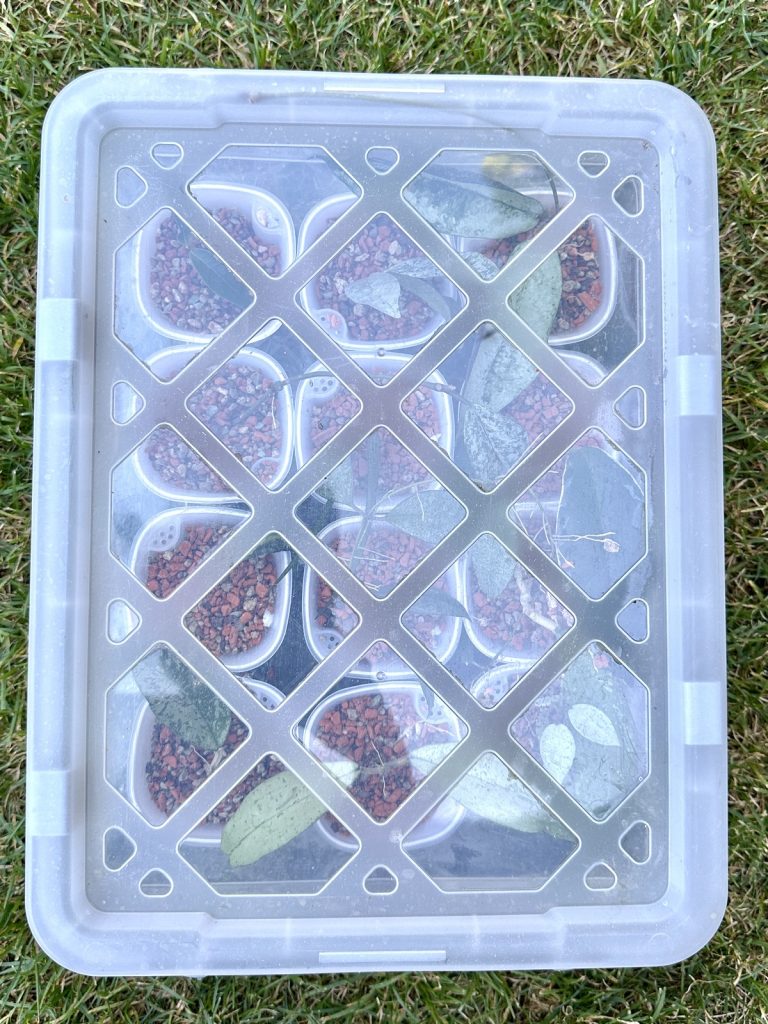
A simple plastic box can work perfectly well. Even a large ziplock bag can be useful for smaller plants and cuttings.
The added humidity is actually a bonus when you’re trying to root a new hoya. Just make sure to open the container regularly to allow some fresh air in.
The important thing is that a potentially problematic plant isn’t sitting right next to dozens of plants that you don’t want to expose.
5. Prevention is better
than trying to fix an infestation
Another thing I use in my collection is biological pest control.
I use Spical-Plus (Neoseiulus californicus) as an additional preventative measure. Predatory mites are not a replacement for quarantine or inspection, but I like having another layer of protection working in the background.
If you’re using biological control, always follow the instructions for the specific product and its application schedule.
6. And yes — pests can come
from unexpected places
One thing that surprised me when I started paying more attention to pests is how easily they can enter our homes.
Mealybugs, for example, can potentially hitchhike on fruit and other plants brought into the house.
So if you have hoyas in the kitchen, they’re not necessarily isolated from the outside world just because they’re indoors.
Plants grown outdoors or near open windows obviously have even more exposure.
So, are pests unavoidable?
Not necessarily — but they’re definitely a normal part of collecting plants.
You can buy from the most experienced and careful grower and still occasionally receive a plant with a pest. You can have an immaculate collection and something can fly in through an open window.
That doesn’t mean someone did something wrong.
For me, the important thing is having a system that reduces the risk.
Quarantine. Clean. Inspect. Reroot when necessary. Use preventative measures. And don’t assume that “I can’t see any pests” means there aren’t any.
And if you receive a plant with pests, it’s always worth letting the seller know. They may genuinely have no idea, and knowing about a potential issue gives them the opportunity to check their own plants as well.
At the end of the day, we collect living plants. They’re not sterile objects coming out of a laboratory — and that’s part of what makes growing them so interesting.
Sometimes a tiny unwanted guest comes along for the ride. 🌱🫠
The goal isn’t to create a completely pest-free world.
It’s to make sure that one tiny guest doesn’t end up meeting the other 200 hoyas in your collection.