

In the summer of 2020, my boyfriend and I finally moved into a flat of our own. All it took for him to accept his fate was a pandemic of epic proportions and a solemn promise that I wouldn’t invade his personal space too much. Being the perfect girlfriend, I of course honoured the deal for at least a couple of weeks — before kindly turning his office green as well.
For the first time in my life, I had the chance to expand my then modest collection of plants. A north-facing window with poor light was replaced by a big, bright room that was practically begging to be filled with green.
The flat felt more like home with every new plant. I soon swapped the basic plants for ever rarer tropical species, which won me over with their unusual leaf shapes and stunning variegation. But it was Philodendron ‘Florida Beauty’ that sealed my addiction to rare plants — it became the face of my business. For me, it stands for the beauty and joy that come from the hard work and effort that importing plants from overseas requires.
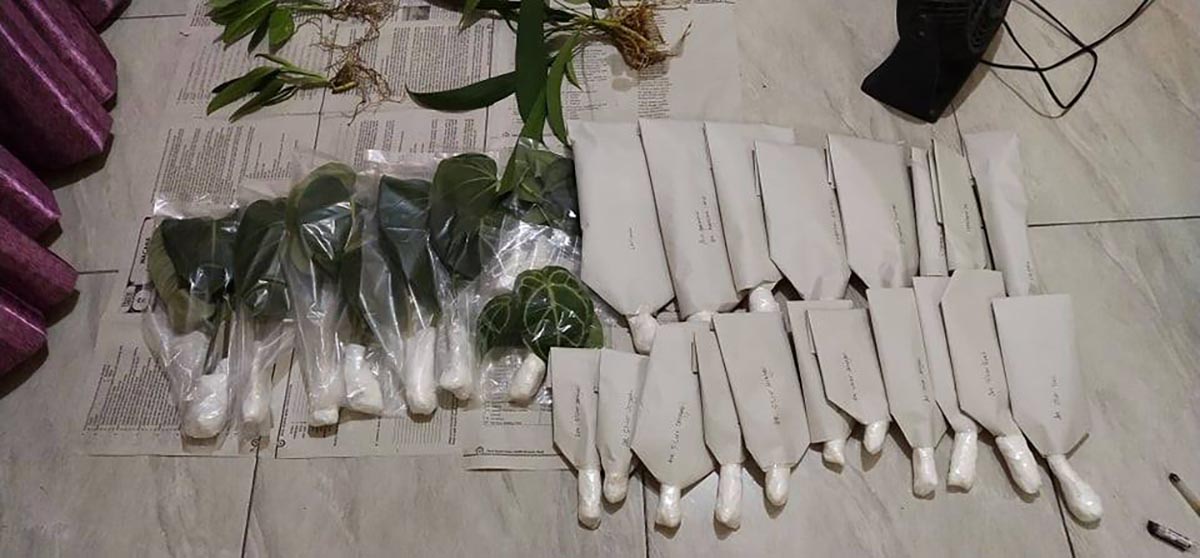
The hunt for rare plants soon leads us to suppliers in tropical countries with an incredible range of rare species. Monstera, Philodendron, Anthurium, Syngonium, Hoya and more. Endless nurseries full of carefully grown plants in ideal conditions take every plant lover’s breath away. But this is where the story only begins, because getting a plant to Europe is no small feat.
Importing plants into the European Union is strictly regulated. Plants must be shipped without soil and with a phytosanitary certificate, and on entering the EU they go through customs and an additional phytosanitary inspection. Preparing a plant for the certificate is intense: the roots have to be thoroughly cleaned, which often damages them badly. To make shipping easier, some suppliers dry the plants out further and wrap the roots in damp moss. Flattened and dehydrated, the plants are then packed tightly into a box, ready for the long journey. Parcels usually travel for at least three days, depending on the country of origin, the courier and customs. Sometimes parcels get lost on the way, or sit at customs for a long time even when everything is in order. And if the paperwork doesn’t match, a parcel can be refused entry to the EU altogether.
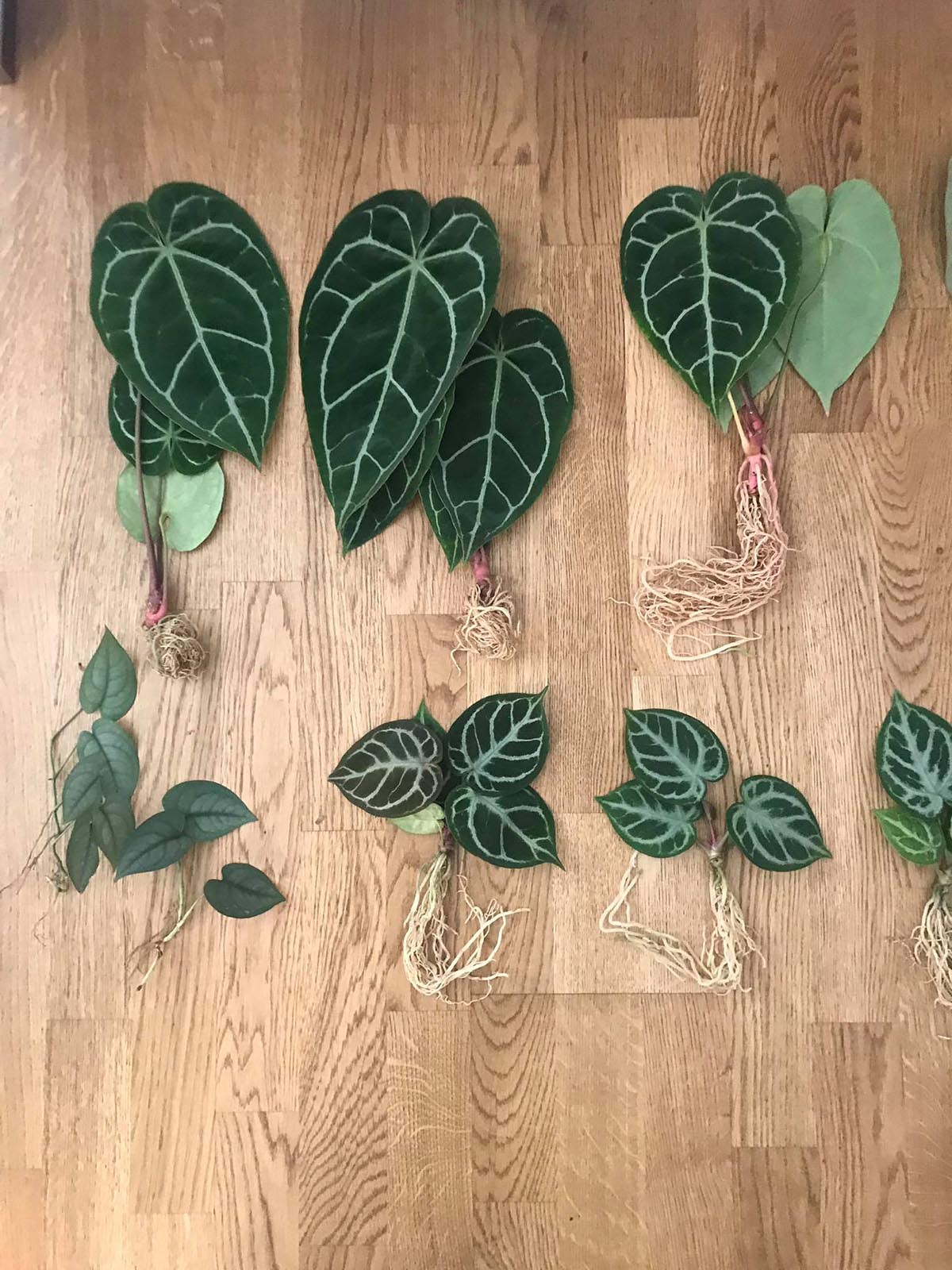

Even after a long, exhausting journey, plants often look surprisingly good — especially when they arrive quickly and without complications. The effects of the stress from travelling and changing environments often only show later. The first two weeks are the most critical; after that, you can judge quite well whether a plant can be rehabilitated. It takes a fair amount of extra equipment, because each species needs the right humidity, warmth and light. Weakened plants first put their energy into growing strong roots. They often drop old leaves, since at this point they’re still fighting to survive. New growth usually only comes once the plant has a stable root system. Acclimatising to indoor conditions starts slowly and carefully, with a lot of patience.
Importing rare plants can bring enormous joy. The first look at a long-sought beauty, a successful rehabilitation, new growth or a flowering hoya — these are the moments plant lovers live for. But there’s also a dark side we don’t like to talk about. Opening a parcel always comes with a little anxiety, because you never know what’s waiting inside: the most beautiful, healthy, perfect plants, or a mass plant grave. The situation can turn into a nightmare in an instant, since sellers rarely offer refunds. Every extra day at customs can be fatal; every day that’s too hot or too cold can mean disaster. Stress can take weeks to show in a plant, and sometimes all the investment in equipment, the careful care and attention still aren’t enough.
Importing rare plants is a source of the greatest joy — and of great pain, too.
Want to see what we’re growing right now? Browse our hoyas or sign up for the newsletter — once a month, we write about new arrivals and restocks.